Skip to content
Products
About Us
Contact
Shop Now
Log in
Products
About Us
Contact
Shop Now
Search Here...
Log in
Cart
Item added to your cart
View cart
Check out
Continue shopping
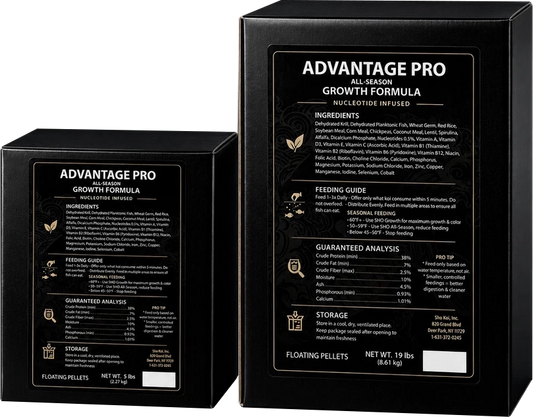
Sho Koi Advantage Pro Growth Formula Fish Food
Sho Koi Advantage Pro Growth Formula Fish Food
Sho Koi Advantage Pro Growth Formula Fish Food
Regular price
From $46.95
Regular price
Sale price
From $46.95
Add to Cart
Sold out
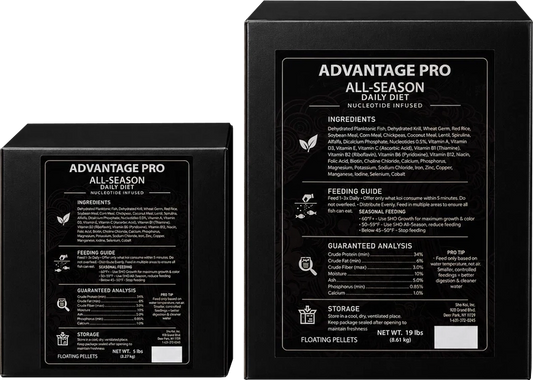
Sho Koi Advantage Pro All Season Daily Fish Food
Sho Koi Advantage Pro All Season Daily Fish Food
Sho Koi Advantage Pro All Season Daily Fish Food
Regular price
From $46.95
Regular price
Sale price
From $46.95
Add to Cart
Sold out
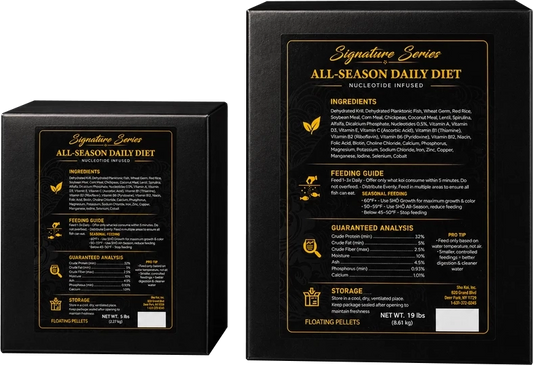
Sho Koi Signature Series All Season Daily Fish Food
Sho Koi Signature Series All Season Daily Fish Food
Sho Koi Signature Series All Season Daily Fish Food
Regular price
From $48.95
Regular price
Sale price
From $48.95
Add to Cart
Sold out
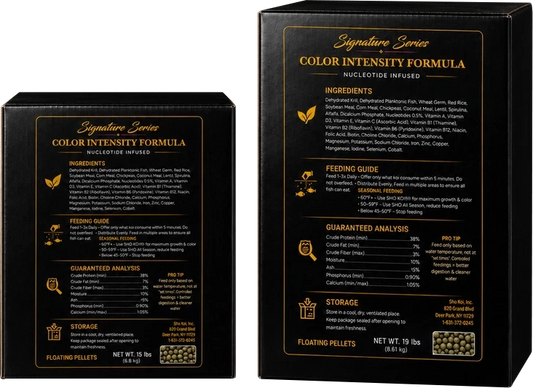
Sho Koi Signature Series Color Intensity Fish Food
Sho Koi Signature Series Color Intensity Fish Food
Sho Koi Signature Series Color Intensity Fish Food
Regular price
From $48.95
Regular price
Sale price
From $48.95
Add to Cart
Sold out
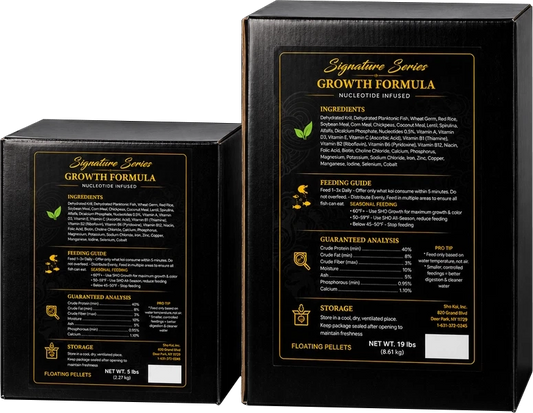
Sho Koi Signature Series Growth Formula Fish Food
Sho Koi Signature Series Growth Formula Fish Food
Sho Koi Signature Series Growth Formula Fish Food
Regular price
From $48.95
Regular price
Sale price
From $48.95
Add to Cart
Sold out
Nucleotide Infused Signature Series
Sold out
Nucleotide Infused Signature Series
Sold out
Nucleotide Infused Signature Series
Regular price
$0.00
Regular price
Sale price
$0.00
Sold out
Sold out
Nucleotide Infused Advantage Pro
Sold out
Nucleotide Infused Advantage Pro
Sold out
Nucleotide Infused Advantage Pro
Regular price
$0.00
Regular price
Sale price
$0.00
Sold out
Sold out
Choosing a selection results in a full page refresh.
Opens in a new window.


 Sold outSold out
 Sold outSold out